Finances are a major part of everyday life. They affect the kind of home we live in, the food on our table, the quality of healthcare we access, and even how we plan for the future. Yet, many people go through life overwhelmed by money, not because they do not earn enough, but because they do not understand where it is going, or how to make it grow.
To be financially free does not necessarily mean being wealthy. It means not constantly worrying about school fees, a medical emergency, or that moment your phone balance hits zero just when you need to make a transfer. It means having choices, sleeping peacefully, and building toward something better.
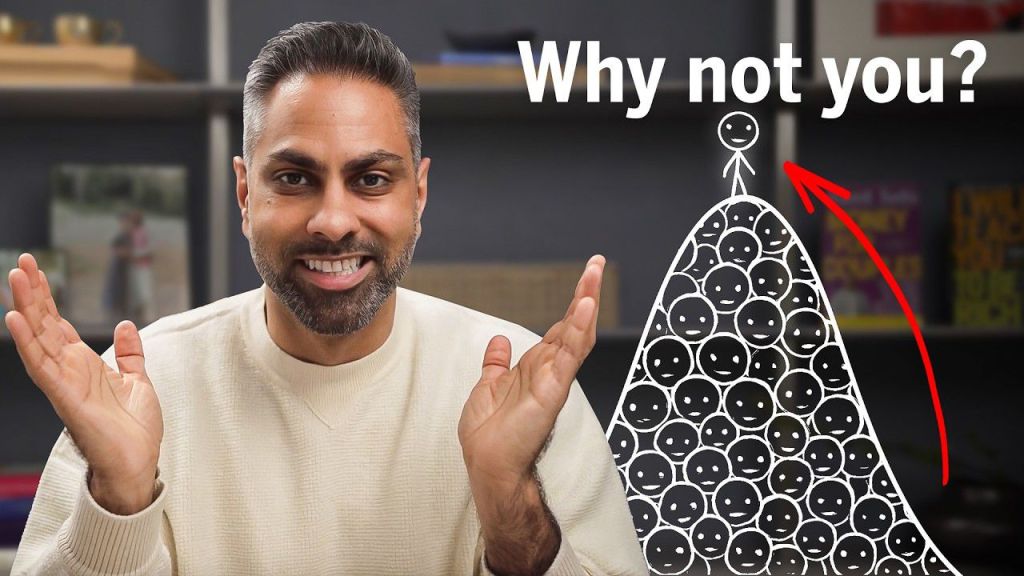
This reflection is drawn from a powerful video from “I Will Teach You To Be Rich” YouTube channel, which breaks down personal finance in a direct, honest, and practical way. The speaker, Ramit Sethi, explains how ordinary people, regardless of income level, can take control of their finances and outperform 95% of others in just a few months. What is required is not magic, but intentionality and systems.
Many assume the answer lies in earning more, yet plenty of people with good salaries still struggle financially. Why? Because they do not track their spending, they are weighed down by unacknowledged debt, they do not save consistently, and their money is not working for them. True transformation comes from paying attention to what really matters.
Here are five key numbers everyone should know to get a full picture of their finances:
- Your Burn Rate (Monthly Spending): Go through your mobile money statements, bank apps, and receipts. Add up every expense—rent, transport, food, electricity tokens, bundles, loan repayments, even the snacks and takeout. Take the total from the last three months and divide by three. That is your burn rate. It is not about guessing; it is about knowing exactly what is going out each month.
- Your Total Debt: Write down every loan you owe: SACCO contributions, salary advances, mobile money loans, unpaid bills, credit purchases, all of it. Include the amount, interest rates, and how much you pay monthly. When you put it in black and white, it stops being overwhelming—it becomes manageable. Knowing your debt means you can start building a plan to clear it.
- Your Monthly Savings: If you are not saving consistently, life can quickly feel like walking a tightrope. Even UGX 20,000 a week adds up. Whether it is through a bank standing order or setting aside cash before you touch the rest, saving should happen automatically. Do not wait to see what is left at the end of the month—it rarely works. Saving is what cushions you when life throws a curveball.
- Whether Your Money is Growing: Money sitting idle loses value over time. Start small with options like unit trusts, fixed deposit accounts, or low-risk collective investment schemes offered by licensed institutions. Treasury bills and bonds are also a great option for those who prefer steady returns. Even UGX 100,000 invested monthly can grow into real wealth over time. The goal is to have your money working just as hard—or harder—than you do.
- What Percentage of Your Income Goes to Housing: If you are spending over 28% of your gross income on rent and housing-related costs, it is worth rethinking. Many households experience money stress not because they spend too much on luxuries, but because housing quietly eats up most of the budget. Consider downsizing, sharing a place, or adjusting your expectations until you get more breathing room. A more affordable space brings peace of mind—and that is priceless.
Once you have written down these five numbers, you are no longer operating in the dark. You have created a foundation. From there, the next step is to simplify. Create a system. Automate your savings. Automate your bills. Set fixed dates for payments. Let your money move where it needs to go before you are tempted to spend it. What remains can be spent freely—no guilt, no second guessing.
That is how the top 5% manage their finances. They are not obsessing over every coin or comparing milk prices every day. They put their systems in place and then focus on living.
And then, there is the deeper goal: reaching your crossover point—the moment when your investments and passive income cover your monthly expenses. It is that point when you can choose whether to work or rest, travel or stay home, take a break or start something new. It is not about quitting your job tomorrow—it is about having the freedom to decide.
What makes the difference is starting early, staying consistent, and being clear on your path. It is not about knowing everything at once, but about starting somewhere, and refusing to stay stuck.
No matter where you are starting from, the journey to better finances is not reserved for the wealthy, the well-connected, or the exceptionally disciplined. It is for anyone willing to get honest about their money and start making small, consistent changes. Begin by finding out how much you truly spend each month. Take a clear look at your debt, not to panic, but to plan. Decide to save before you spend, even if it is just a small amount—and automate it so it becomes part of your life. Explore options to grow your money, whether through simple, regulated investments or community-based financial tools. And if your housing is swallowing most of your income, it may be time to rethink where and how you live, not as a step back, but as a move toward freedom.
In the end, financial peace is not about spreadsheets or stress, it is about clarity, systems, and choices. The difference between those who constantly worry about money and those who feel in control often comes down to one thing: intentionality and that is something anyone can choose, starting today.
Learn more: https://youtu.be/tZazCRkiZPE
 Becoming Golden
Leave a comment