• Written by Adv. Brownie Ebal

    On 8th August, I had the honor of graduating from the Elevate Your Career Leadership Programme under the guidance of our coach, Pepe Minambo.

    This milestone was not just a personal achievement, it was a profound reminder that elevation is never a solo act. No one rises in isolation. To move upward, we need four sets of people walking beside us: a Coach, Sponsors and Mentors, Pace Setters, and Mentees.

    For me, my coach has been Pepe himself—steady, insightful, and relentless in challenging me to grow. My sponsors and mentors have been my pillars: Daddy, Mummy, Aunty Spe, and Aunty Pamela, whose wisdom and belief continue to shape me. My pace setters are the friends who run the race with me—Samantha, Andrew, Denis, and David—reminding me that iron sharpens iron. And my mentees—Lillian, Patience, and Lorraine, who urge me to pass on what I have learned, ensuring that my growth multiplies in others. To all of you, thank you for walking this journey with me.

    Through Elevate, I have come to understand that career growth is not simply about collecting titles. It is about building a system for growth.

    • I am challenged to step into the boardroom, not just as a participant, but as Chair of Amari Voyages and Vice Chair of Young Lawyers at EALS.
    • I have metamorphosed from being an attendee at conferences to standing on stage as a speaker at the EALS Regional Conference.
    • I am reminded to remain a student, embracing learning through the Journey to the Boardroom.
    • And I am called to give back through service—as a Rotarian and beyond.

    From Coach Pepe, I carry timeless lessons: have the power to begin, continue, and finish. Always start with the end in mind, and be willing to seek out the knowledge you need.

    From guest speaker Mona Ssebuliba, I embraced words that continue to echo: Does your family have a strategic plan? Become the standard, because excellence is non-negotiable. Remember, you get what you negotiate for, and you must have the courage to walk away.

    Growth, I have learned, is built on three essentials:

    • Competence—performance currency. Deliver results, not excuses.
    • Character—self-awareness, humility, and the courage to rethink. Adam Grant’s-Think Again reminds us that growth often lies in unlearning and relearning.
    • Chemistry—emotional intelligence. Wanting the best for others and focusing not on blame but on what can be improved.

    And above all, true growth is holistic. It is not confined to career achievements but spans five capitals: spiritual, physical, intellectual, relational, and financial, as emphasized in Oikonomics by Mike Breen.

    I was also reminded, through Steve Robinson’s Covert Cows & Chick-fil-A, of the power of thinking differently—challenging the ordinary to create extraordinary impact.

    So, as I graduate from Elevate, my commitment is clear:

    • To become the standard, not the exception.
    • To keep climbing the levels of leadership with courage and grace.
    • To give back, because leadership is stewardship.
    • And most importantly, to help others rise as I rise.

    Because elevation is not a solo act—it is a shared ascent.

  • Written by Adv. Brownie Ebal

    In a world increasingly defined by pace, pressure, and performance, it is easy to confuse activity with impact. We take on roles, chase milestones, and tick boxes—yet deep within, many of us long for something more enduring: purpose. The kind that fuels not just what we do, but why we do it.

    For me, that search has never been theoretical. It has been lived—in courtrooms and classrooms, in boardrooms and book drives, in moments of solitude and seasons of leadership. I have always believed in the power of service, in the idea that we rise by lifting others. But even belief needs structure. Passion needs direction. Purpose needs action.

    That is the space I found myself in, standing between all I had done and all I was being called to become.

    I did not know it then, but what lay ahead would connect everything I cared about: education, leadership, and service. It would stretch my comfort, deepen my commitment, and reframe how I understood giving, not just as an act, but as a way of life.

    And it began with an invitation:

    When I first heard the phrase “90 Days of Transformation,” I imagined something light, a typical leadership training, a few motivational sessions, perhaps one or two “aha” moments. I was not ready. Not for what actually unfolded.

    Somewhere between powerful words shared by facilitators and the sacred silence of personal reflection, I began to unravel—and in the process, rebuild. The questions came fast and deep, shaking the core of what I thought I knew about myself:

    • Am I truly living my purpose?
    • What more could I become if I stopped holding back?
    • Have I been shrinking to stay safe?

    These were not passing thoughts. They were catalytic questions. And they lit a fire.

    That fire led me to take a bold step: I was officially inducted into the Rotary Club of Bugolobi Morning Tide. For years, Rotary had been a supportive partner—inviting me to speak at events, collaborate on causes, or attend fundraisers. But I had remained on the periphery, engaged but never fully committed. This journey of transformation, however, demanded more. It called for commitment, courage, and clarity.

    So when the invitation came, I said yes.

    Standing on that stage, I felt the fullness of the moment. Surrounded by love and encouragement, I felt something deeper than excitement—I felt alignment.

    Then came a moment that shifted everything. A casual remark during the induction ceremony: “We aim to raise over $1 million.” That was not just an aspiration, it was a standard. And suddenly, I believed it was possible.

    I realized then: I was in a room where ambitious goals for charity were not a dream—but an expectation. And for the first time, I truly felt I belonged in that room.

    My thoughts turned to the Kitabu Buk Project, the nonprofit I founded to provide educational resources and mentorship to children in underserved communities. What began as a small grassroots movement—donating used textbooks to public schools—has now grown into a national initiative supporting literacy, academic access, and student advocacy.

    To date, Kitabu Buk has reached over 40 schools across Uganda, delivering more than 100,000 educational materials, mobilizing communities, and reigniting a love for reading in places where books are scarce but dreams are abundant.

    Yet, despite all we’d achieved, I often wondered how much more we could do—with the right network, resources, and boldness.

    Rotary answered that question. A lot more.

    Because Rotary is not just about charity—it is about showing up. With intention. With compassion. With consistency. It is structured generosity, channeled into action and sustained by a global community of leaders who believe in service above self.

    As the founder of Kitabu Buk Project, I now see the beautiful intersection of education, leadership, and purpose-driven giving. When we pour into others—whether through a donated book, a mentorship session, or a shared opportunity—we are also pouring into a future where no child is left behind because of where they were born or what they lack.

    This is the heart of Kitabu Buk Project: empowering communities, one book and one kit at a time. But we cannot do it alone.

    I invite you to partner with us, whether as a donor, advocate, or volunteer—in shaping brighter futures. Your support ensures that more children access knowledge, grow in confidence, and dream bigger.

    🌍 Learn more or donate today at: https://kitabubukproject.org

    💛 To make a direct contribution:

    Mobile money: 0774978625

    Account name: Kitabu Buk Project

    Bank name: NCBA Bank, Bugolobi Bank

    Account number: 219026200017 – UGX

    This is what giving back looks like—not as obligation, but as calling. Not from guilt, but from growth.

    Rotary has opened a new door for me. And I am walking through it with open arms—ready to serve, to build, and to rise.

    To every emerging leader out there:

    Dive—unflinching—into the sacred unknown.

    For beyond fear lies becoming.

    And beyond becoming lies purpose.

    And with purpose, there is always more to give.

    To join this global movement of transformation through service: https://www.rotary.org/en

  • There are seasons in life when it feels like nothing is moving. You have put in the work, prayed the prayers, stayed consistent, but still—no promotion, no opportunity, no breakthrough. Maybe you are in a job where your efforts go unnoticed. You run a small business that has not taken off. Or you are quietly trusting God for a spouse, a child, or healing. Life feels stuck, and worse still, you cannot see any open doors.

    That is the encouragement from Pastor Joel Osteen, the world-renowned leader of Lakewood Church in Houston, Texas—one of the largest congregations in the world. He is known globally for his uplifting messages of hope, purpose, and divine favor.

    In his sermon titled “You’re Being Talked About,” Joel reminds us of something deeply powerful: God is talking about you. Behind the scenes, in places you may never step foot, God is arranging conversations about your life—conversations of favor, provision, and purpose.

    God does not always work through dramatic miracles or loud announcements. Sometimes, He whispers into the hearts of others—people you have never met, bosses you have never spoken to, strangers with the power to change your life. He nudges them to bless you, open a door for you, or give you an opportunity. And you may never even know they were acting under divine instruction.

    Think about it. How often have you heard someone say, “I don’t know why, but I just felt I should help you?” That is not coincidence. That is God speaking.

    The Bible gives us a beautiful example of this in the book of Ruth, chapters 1–4. Ruth was a young Moabite woman who lost her husband at a young age. Her mother-in-law, Naomi, also became a widow. Together, they returned to Bethlehem, broken and unsure of what the future held. Ruth had no status, no wealth, no support—just her character and her faithfulness.

    Determined to survive, she went out to the fields to gather leftover grain behind the harvesters. It was a hard, humble job—like digging through leftovers at the market or looking for scraps to feed your children. But she kept at it. She did not complain. She kept her spirit right.

    Then something shifted.

    In Ruth 2:15, Boaz—the wealthy landowner whose field Ruth happened to be working in—told his men, “Let her glean even among the sheaves, and do not reproach her.” In fact, he instructed them to purposely drop bundles of grain for her to pick. Ruth had no idea this conversation was happening. All she knew was that favor found her—suddenly, abundantly, and without warning.

    She went from surviving to thriving. That one divine connection led not only to provision but to marriage, restoration, and a place in the lineage of King David and even Jesus Christ Himself.

    God had been talking about her.

    That is the heart of Joel Osteen’s message. You may feel hidden or forgotten, but God sees you. He knows when to send the right person, bring the right opportunity, or create a turnaround you never imagined.

    We often think of people talking about us in a negative way—gossip, criticism, judgment. But today, be encouraged: God is having conversations about you for your good. He is putting your name on hearts. He is stirring up generosity, favor, and help in places you have not even applied or visited.

    Whether you are a teacher in a remote town doing your best with few resources, or a young person hustling in Kampala’s streets, or a single parent praying for daily provision—you are not alone. The same God who saw Ruth’s heart sees yours.

    The key is not to give up while you are waiting. Keep showing up with excellence. Keep loving people, even when you feel overlooked. Keep worshiping, even when life feels unfair. Your chapter of blessing is coming. Your promotion is already in discussion. Your name is part of a divine conversation.

    Because the truth is, people do not control your destiny. Your boss is not your source. Your background does not limit your future. God is the one ordering your steps—and He is already talking to the right people about you.

    Therefore, do not be discouraged when things seem silent. Heaven is never quiet when it comes to your purpose.

    For more information, click on the link to watch full video: https://youtu.be/PGftp5NQ91A

  • On 20th September, financial educator Benjamin Mukasa led an insightful Zoom session on one of the most pressing topics today: debt. Far from being just a burden, debt was unpacked as a double-edged tool, capable of building wealth if managed wisely, but equally capable of trapping individuals in financial bondage if misused.

    Benjamin began by grounding the discussion in the basics: what is debt? At its core, it is simply money borrowed today against future income. But whether this borrowed money turns into opportunity or stress depends entirely on how it is used. Good debt, he explained, is channeled into assets or investments that generate income or appreciate in value—education, business loans, or mortgages. Bad debt, on the other hand, funds consumption and liabilities, like borrowing for luxury cars, expensive weddings, or the latest gadgets.

    He painted a vivid picture of the debt spiral: overspending leads to borrowing, which leads to more borrowing, and soon, stress and financial pressure become a way of life. Breaking free requires discipline and strategy. Two proven approaches were outlined: the Snowball Method (clearing smaller debts first for motivation) and the Avalanche Method (tackling the highest-interest debts to save money in the long run).

    The conversation then broadened to breaking free from debt and creating financial resilience. Participants were encouraged to:

    • Audit spending and track every shilling to avoid “small leaks” that drain resources.
    • Negotiate wherever possible—from school fees to loan interest rates.
    • Diversify income streams by turning hidden skills into cash flow opportunities, whether baking, tutoring, or bookkeeping.

    A critical reflection also came up: Is it valid to say that it’s easier to build wealth with debt than through saving? Benjamin explained that the statement carries much weight. With debt, one can take action earlier—such as starting a business today instead of waiting years to save up. Debt also adds urgency: because repayment is mandatory, people tend to put in more energy and focus to ensure success. In contrast, savings come with less pressure, which can sometimes lead to slower execution. Yet, he cautioned, debt only works when used responsibly. Mismanaging it—like diverting a loan into personal expenses—can turn it into a trap.

    The session closed with a powerful reminder: “Debt is not the end of your story. It is simply a chapter. And chapters can change. What matters are the choices you make from this point forward.”

  • On 3rd September 2025, Legacy Hills Investments hosted an X Space under the theme “Are loans really worth it?” The discussion brought together Maria, Chief Manager of Credit at Centenary Bank, and Gitta, a financial analyst, to share their insights on the role of loans in Uganda’s economy and the realities of borrowing.

    Maria noted that loans play a critical role in Uganda’s development. She explained that they act as catalysts for financial inclusion, help grow the money supply, and stimulate the economy when invested in productive ventures such as agriculture. Beyond business, loans also empower women and youth, giving them opportunities that might otherwise remain out of reach. On the question of how banks set loan prices, Maria clarified that several parameters are considered, including the Central Bank Rate, the rates at which banks themselves borrow, interest paid on deposits, borrower risk, and the regulatory framework. She urged borrowers to safeguard their credit history as this can give them bargaining power for better terms.

    According to her, borrowing makes sense when it has a clear purpose, such as acquiring assets or consolidating debt, since saving alone often takes years. However, it becomes a trap when people take loans for careless spending on things like parties or gadgets, or when they ignore repayment terms and keep borrowing from multiple sources. She advised borrowers to compare offers, negotiate terms, especially the choice between floating and fixed rates—and only commit to what they can manage.

    On the issue of defaults, Maria observed that while the national non-performing loan rate is at 4.1%, Centenary Bank maintains a lower figure of 3%. She encouraged borrowers to engage their lenders early, reschedule payments where necessary, and commit even small amounts towards repayment. She also highlighted the wide range of loans available at Centenary, including products tailored for youth and women, mortgages, business loans, SME and corporate loans, agricultural loans, and even green loans for items like solar panels. She cautioned guarantors to remain mindful of their liability and reminded borrowers that communication and discipline are key to managing debt successfully.

    Gitta, on the other hand, placed Uganda’s loan culture in a broader perspective. He pointed out that while developed countries have effectively used loans to spur growth, Ugandans often find themselves tied to borrowing at unfavorable rates. Commenting on interest rates, he referenced the Bank of Uganda’s benchmark of 9.75% as of August 2025, noting its influence on what consumers face in the market. He emphasized that although banks try various measures before resorting to property auctions, borrowers must understand the risks of mismanaging credit. To build resilience, he suggested that individuals occasionally borrow small amounts and repay them faithfully to create a strong credit rating for future use. He strongly discouraged borrowing for liabilities and instead encouraged Ugandans to consider investing in financial institutions themselves, as these institutions remain very profitable.

    The conversation wrapped up with a reminder that loans can be both good and bad, depending on how they are handled. Borrowing with purpose, maintaining good credit history, and fostering open communication with lenders emerged as the key takeaways. While Gitta stressed the importance of investing wisely, Maria concluded by affirming that borrowing is not inherently harmful but should be approached cautiously, with clear goals and trusted financial partners.

  • In an age driven by constant interaction online and offline, few skills are as powerful, or as underappreciated, as the ability to communicate with confidence. This truth sits at the heart of a remarkable conversation between motivational speaker and bestselling author Mel Robbins and trial attorney turned viral communicator Jefferson Fisher, featured on the Mel Robbins Podcast.

    Fisher, a practicing lawyer with millions of followers across social platforms, has built a reputation for teaching people how to speak with clarity, authority, and empathy, from the front seat of his car, no less. But this is not just another talk about “talking better.” This is about using your words to transform your relationships, your presence, and your life.

    “What you say is who you are,” Fisher asserts. “Most people will never experience you beyond the words you speak.” That idea is both empowering and sobering. It means your tone, your intention, and your delivery are not just part of your message—they are your message.

    One of the most powerful lessons from this conversation is that good communication is not about saying more—it is about saying what matters, with purpose. Whether dealing with tension in a marriage, navigating awkward family dinners, or facing difficult conversations at work, Fisher encourages a posture of curiosity, not defensiveness. Instead of reacting with “Why did you say that?” he suggests we pause and ask, “What did you hear?” This small shift opens the door to understanding, not argument.

    Fisher also challenges the belief that being kind is being weak. In his words, kindness is clarity delivered with respect. You can be honest and direct, while still being compassionate. When delivering tough feedback or navigating conflict, he recommends framing it with affirming language: “I am telling you this because I know you can handle it.” It is a way of honoring the person in front of you while holding the conversation to a higher standard.

    More than tactics, though, Fisher invites us to lead with values. He speaks of personal “conversational values” that keep him grounded—guiding every interaction. Values like: if I cannot be a bridge, I will be a lighthouse; if there is room for kindness, I will use it; let my words show who I am, even if they do not know my name. These internal commitments shape not just what we say, but who we become in the process.

    Ultimately, this conversation is a reminder that we do not need more noise—we need more intention. The next conversation you have is not just another exchange. It is a mirror of who you are, a seed of your legacy, and a chance to shape the world around you.

    For more information, watch the full episode here: https://youtu.be/ZUCB3M_1Qp4

  • On 28th August, I joined a LinkedIn Live hosted by Pepe Menambo with guest Mr. Yengeni, reflecting on a theme that was as sobering as it was insightful: The Intelligence Trap—Seven Mistakes Smart People Make.

    At first glance, this might sound like a conversation only for top executives, but as Mr. Yengeni emphasized, “We are all smart.” Every contribution at work, every idea born in our minds, is evidence of intelligence. The question is not whether we are smart, but whether our intelligence is working for us or against us.

    The discussion unpacked several common traps:

    1. Relying on intelligence alone.

    Being smart is valuable, but intelligence does not thrive in isolation. Many successful CEOs understand this, which is why they negotiate for room to build the right teams and bring in critical talent. Brilliance without a support system risks being wasted, while intelligence combined with the right environment creates impact.

    2. Working hard in silence.

    A common trap is believing that hard work alone will speak for itself. Someone may write an excellent report but never step into the boardroom where decisions are made. As Yengeni put it, “You cannot sell a secret. The mouth that keeps quiet never gets help.” Competence needs visibility; otherwise, opportunities remain out of reach.

    3. Overusing strengths.

    What begins as a strength can become a weakness if not managed well. Being articulate is useful, but talking too much in an interview can overshadow the very message you want to pass across. In the same way, posting endlessly on social media can weaken your personal brand rather than strengthen it. Strategy, moderation, and timing keep strengths effective.

    4. Becoming trapped by hard work.

    Sometimes, working too well at your job makes you so valuable to your boss that you cannot easily be promoted or released. It is possible to spend 15 years in one company and only move two steps up because you were always too busy working on the job, not on yourself. Hard work needs to be balanced with self-investment and a deliberate career plan.

    5. Undervaluing yourself in salary negotiations.

    One of the most common mistakes is answering “anything” when asked about expected pay. This reflects a lack of self-worth. Researching market standards and knowing your value allows you to negotiate confidently. The panelists noted that the first five years of a career are for learning, but between five and ten years, it’s also about earning.

    6. Over-profiling or misbranding.

    In the effort to appear impressive, some professionals overstate their profiles—labeling themselves as “Founder” or “CEO” while still seeking entry-level roles. This creates confusion and may even close doors. A profile should be precise and aligned with the stage you are in, not one that sends the wrong signals.

    The conversation made it clear that the “intelligence trap” is not about a lack of brilliance but about how brilliance, when unchecked, turns into a stumbling block. From being too quiet to being too loud, from undervaluing to over-inflating ourselves, these mistakes can undermine even the smartest among us. The true measure of intelligence, therefore, is not just being smart, but being strategic in how that intelligence is applied.

  • On 6th March, 2025, the Parliament of Uganda hosted a Zoom discussion under the theme “Navigating Emotional Wellness of a Woman in the Workplace.” The session aimed to equip women with strategies for managing emotions, maintaining balance, and fostering resilience in professional spaces. The panel featured Lindsay K. Nzeyi, Executive Director of Break Free Treatment & Rehabilitation Center; Gabriel Kagume, Financial Literacy and Masterclass Trainer; and Rose Ikiror Semakula, Deputy Clerk – Parliament Affairs.

    The discussion highlighted the emotional struggles women face at work, how external pressures influence professional well-being, and the steps women can take to maintain balance.

    Workplace stress is not always a result of professional responsibilities alone. Emotions from outside work—such as personal struggles, family obligations, or financial pressures—can spill into the workplace, affecting concentration and performance. Unresolved personal issues may also manifest in professional interactions, leading to conflicts or emotional exhaustion.

    Burnout is another common challenge, often caused by excessive workloads, competition for promotions, or the pressure to meet financial obligations. Taking on too many responsibilities beyond one’s capacity can lead to exhaustion, reduced productivity, and loss of enthusiasm for work. Financial insecurity further contributes to emotional strain, especially when individuals feel pressured to overwork in order to meet financial demands.

    Below are some of the recommended solutions;

    • Expressing oneself openly: Confidence in communication is essential for a healthier workplace experience. Addressing concerns, seeking support, and articulating professional needs can help create a more balanced work environment.
    • Acknowledging and managing emotions: Recognizing how emotions impact performance allows for better regulation. Strategies such as journaling, seeking mentorship, or practicing mindfulness can be useful in processing emotions constructively.
    • Setting boundaries: Taking on excessive workloads does not always guarantee success. Prioritizing core responsibilities and maintaining a sustainable work pace can help prevent burnout.
    • Developing financial independence: Financial stress can be managed through budgeting, financial literacy education, and exploring additional income sources. Books such as How Come That Idiot Is Rich and I Am Poor? and Where Did My Money Go? were recommended for better financial management.
    • Building a strong support system: Consulting the right people for both personal and professional advice provides valuable guidance and helps in navigating workplace challenges more effectively. Seeking mentorship, professional networks, or trusted individuals with relevant experience can offer meaningful support and perspective.
    • Focusing on personal growth: Defining individual goals and staying committed to them ensures a more fulfilling career path rather than engaging in unnecessary competition.
    • Resilience: Emotions are a natural part of life, but knowing when and how to react is crucial. Practicing composure in challenging situations, maintaining humility, and taking responsibility for personal success all contribute to emotional wellness.

    In conclusion, the discussion reinforced the importance of emotional awareness, financial stability, and effective communication in maintaining workplace well-being. Navigating emotional wellness requires setting boundaries, managing stressors constructively, and fostering resilience. By applying these strategies, a balanced and fulfilling work experience can be achieved.

  • In today’s legal world, talent alone is not enough. Over the years, I have learned that if you want to grow, to lead, and to create real impact, you must be visible, intentional, and deliberate about how you position yourself. It is no longer enough to simply be good at your job, people need to know what you do, how well you do it, and what value you bring.

    On April 3rd, 2025, I shared these insights during a Zoom mentorship session hosted by Zubedah Namugenyi , under the theme “Ready to Stand Out in the Legal Field? Secrets to Visibility & Positioning.” I reflected on my journey as a Principal Legal Officer at the National Water and Sewerage Corporation (NWSC), and on the practical steps that continue to shape my professional presence.

    I emphasized a principle that guides me daily: you are your own CEO. Personal branding is not a mask or a performance, it is simply the alignment between your work, your growth, and how you show up in the world. If a particular area of law excites you, speak about it boldly. Write about it. Share your thoughts. The more consistently you show up in your niche, the more naturally people begin to associate you with it.

    I also challenged the common belief that hard work alone guarantees progress. Competence is important, but it is not the full story. Many people excel in their work. What distinguishes you is the visible, measurable value you bring. Ask yourself: What am I doing that sets me apart? What contribution can others see and feel?

    Another key area we explored was visibility within the workplace. One of the most effective ways to stand out is to add value beyond what is expected. Support your team. Make your supervisors’ work lighter. Deliver results with excellence and speed. When you collaborate across departments, offer solutions, and make your contribution known in a professional way, your recognition grows naturally.

    We also discussed the role of social media in shaping a professional identity. I shared something I have witnessed repeatedly: social media is not about your title, it is about your content. Whether you are senior or junior, your voice matters. Consistently posting or engaging with thoughtful content expands your visibility and often attracts like-minded professionals. Every comment, every shared idea, every thoughtful reflection builds your digital presence.

    At the heart of the conversation was an issue many legal professionals wrestle with, imposter syndrome. I encouraged participants not to wait for a perfect moment or complete knowledge before stepping forward. You do not need to know everything to contribute; start from where you are. Growth happens as you show up, not before.

    I also highlighted the importance of navigating workplace dynamics wisely. Overlooking hierarchy, mishandling authority, or ignoring organizational culture can create unnecessary setbacks. For those seeking clarity on this, I recommended the book “How Not To Advance In Your Career: Career Limiting Moves” by Ruby Engena Obote (Mrs), which offers practical insights—and its summary is available on my website, brownieebal.com.

    And finally, I shared a principle that continues to anchor me: stay focused despite negativity. Not everyone will celebrate your progress, but your purpose should remain undistracted. Let your work speak. Build allies who uplift, challenge, and support you, not for gossip, but for growth.

    At its core, standing out in the legal field requires clarity, consistency, and courage. Be authentic. Own your niche. Learn deeply. Speak boldly. Write with conviction. When you pour into your craft, confidence becomes a natural outcome.

    Success does not happen in silence. You must show up, and sometimes, you must show up afraid.

  • Finances are a major part of everyday life. They affect the kind of home we live in, the food on our table, the quality of healthcare we access, and even how we plan for the future. Yet, many people go through life overwhelmed by money, not because they do not earn enough, but because they do not understand where it is going, or how to make it grow.

    To be financially free does not necessarily mean being wealthy. It means not constantly worrying about school fees, a medical emergency, or that moment your phone balance hits zero just when you need to make a transfer. It means having choices, sleeping peacefully, and building toward something better.

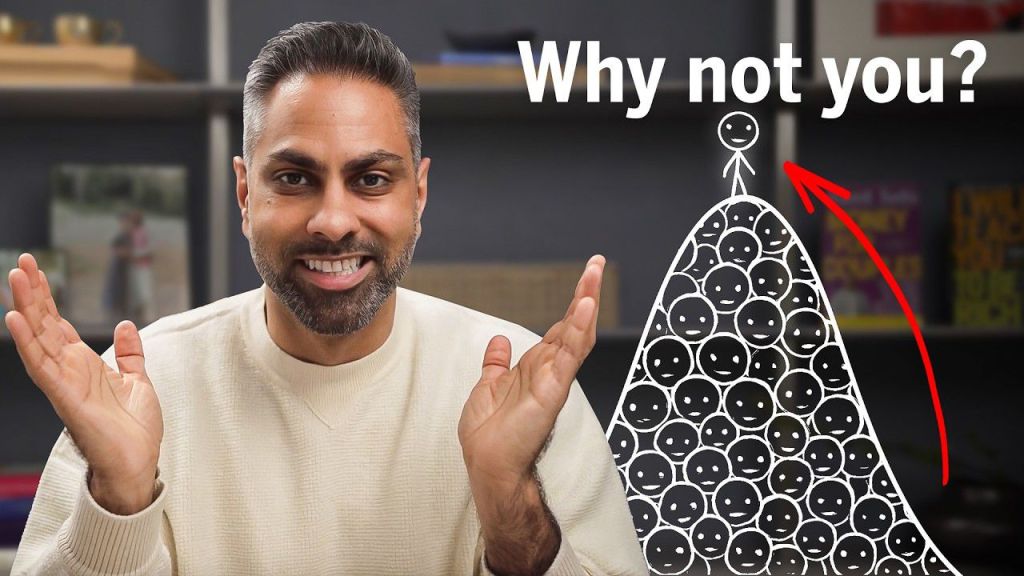
    This reflection is drawn from a powerful video from “I Will Teach You To Be Rich” YouTube channel, which breaks down personal finance in a direct, honest, and practical way. The speaker, Ramit Sethi, explains how ordinary people, regardless of income level, can take control of their finances and outperform 95% of others in just a few months. What is required is not magic, but intentionality and systems.

    Many assume the answer lies in earning more, yet plenty of people with good salaries still struggle financially. Why? Because they do not track their spending, they are weighed down by unacknowledged debt, they do not save consistently, and their money is not working for them. True transformation comes from paying attention to what really matters.

    Here are five key numbers everyone should know to get a full picture of their finances:

    1. Your Burn Rate (Monthly Spending): Go through your mobile money statements, bank apps, and receipts. Add up every expense—rent, transport, food, electricity tokens, bundles, loan repayments, even the snacks and takeout. Take the total from the last three months and divide by three. That is your burn rate. It is not about guessing; it is about knowing exactly what is going out each month.
    2. Your Total Debt: Write down every loan you owe: SACCO contributions, salary advances, mobile money loans, unpaid bills, credit purchases, all of it. Include the amount, interest rates, and how much you pay monthly. When you put it in black and white, it stops being overwhelming—it becomes manageable. Knowing your debt means you can start building a plan to clear it.
    3. Your Monthly Savings: If you are not saving consistently, life can quickly feel like walking a tightrope. Even UGX 20,000 a week adds up. Whether it is through a bank standing order or setting aside cash before you touch the rest, saving should happen automatically. Do not wait to see what is left at the end of the month—it rarely works. Saving is what cushions you when life throws a curveball.
    4. Whether Your Money is Growing: Money sitting idle loses value over time. Start small with options like unit trusts, fixed deposit accounts, or low-risk collective investment schemes offered by licensed institutions. Treasury bills and bonds are also a great option for those who prefer steady returns. Even UGX 100,000 invested monthly can grow into real wealth over time. The goal is to have your money working just as hard—or harder—than you do.
    5. What Percentage of Your Income Goes to Housing: If you are spending over 28% of your gross income on rent and housing-related costs, it is worth rethinking. Many households experience money stress not because they spend too much on luxuries, but because housing quietly eats up most of the budget. Consider downsizing, sharing a place, or adjusting your expectations until you get more breathing room. A more affordable space brings peace of mind—and that is priceless.

    Once you have written down these five numbers, you are no longer operating in the dark. You have created a foundation. From there, the next step is to simplify. Create a system. Automate your savings. Automate your bills. Set fixed dates for payments. Let your money move where it needs to go before you are tempted to spend it. What remains can be spent freely—no guilt, no second guessing.

    That is how the top 5% manage their finances. They are not obsessing over every coin or comparing milk prices every day. They put their systems in place and then focus on living.

    And then, there is the deeper goal: reaching your crossover point—the moment when your investments and passive income cover your monthly expenses. It is that point when you can choose whether to work or rest, travel or stay home, take a break or start something new. It is not about quitting your job tomorrow—it is about having the freedom to decide.

    What makes the difference is starting early, staying consistent, and being clear on your path. It is not about knowing everything at once, but about starting somewhere, and refusing to stay stuck.

    No matter where you are starting from, the journey to better finances is not reserved for the wealthy, the well-connected, or the exceptionally disciplined. It is for anyone willing to get honest about their money and start making small, consistent changes. Begin by finding out how much you truly spend each month. Take a clear look at your debt, not to panic, but to plan. Decide to save before you spend, even if it is just a small amount—and automate it so it becomes part of your life. Explore options to grow your money, whether through simple, regulated investments or community-based financial tools. And if your housing is swallowing most of your income, it may be time to rethink where and how you live, not as a step back, but as a move toward freedom.

    In the end, financial peace is not about spreadsheets or stress, it is about clarity, systems, and choices. The difference between those who constantly worry about money and those who feel in control often comes down to one thing: intentionality and that is something anyone can choose, starting today.

    Learn more: https://youtu.be/tZazCRkiZPE